Ask ten hikers how many days AV1 takes, and you’ll get ten different answers: 7, 9, 12, “however long you’ve got.” That range is fine for daydreaming, but it’s useless the moment you try to book a flight or lock in a rifugio bed on a Saturday in August, when the good ones fill up months out. You need one number, not a range, before you pay a single deposit. Here’s how we land on 9 days for most intermediate hikers, and the two separate numbers (hiking days vs. total trip days) that number is actually built from.
When calculating the ideal Alta Via 1 duration, the sweet spot for most intermediate hikers sits at 9 days. Before choosing your schedule, separate two crucial numbers:
- Hiking days (actual days spent walking the trail)
- Total trip days (arrival, departure, transfers, and a built-in weather cushion)
- Always allow 2 extra days – one either side of the hiking days for arrival, preparation, general logistics, and departure.
We are going to talk in total days when referencing Alta Via 1 hiking tours from this point on…
Below, you’ll find 6 concrete day-count options, a straightforward decision framework tailored to your fitness, and practical notes for solo hikers. If you haven’t fully committed to Alta Via 1 yet, our complete guide to hiking in the Dolomites breaks down how it compares to the region’s other major trails. We’re based here in the Dolomites; we plan and hike these itineraries constantly. The route itself hardly changes year to year. The real work is staying current on the details that do: hut availability, environmental conditions, seasonal closures, and the odd trail deviation.

Key Stats: Alta Via 1 at a Glance
Total Distance: 110-125+ km (68-78 miles), depending on variants, hut spurs, and whether you add the optional Lagazuoi via ferrata finale.
Cumulative Elevation Gain: Roughly 7,000 meters over the full traverse.
Difficulty Grade: CAI E to EE (our internal scale rates this a Level 3 of 5 – steady exposure, no technical climbing required). Our itineraries follow the standard route and don’t require via ferrata gear.
Best Season: Mid-June to Mid-September.
Start/Finish: Lago di Braies to La Pissa, near Belluno.
Let’s start with the day counts that actually hold up in the real Dolomites.
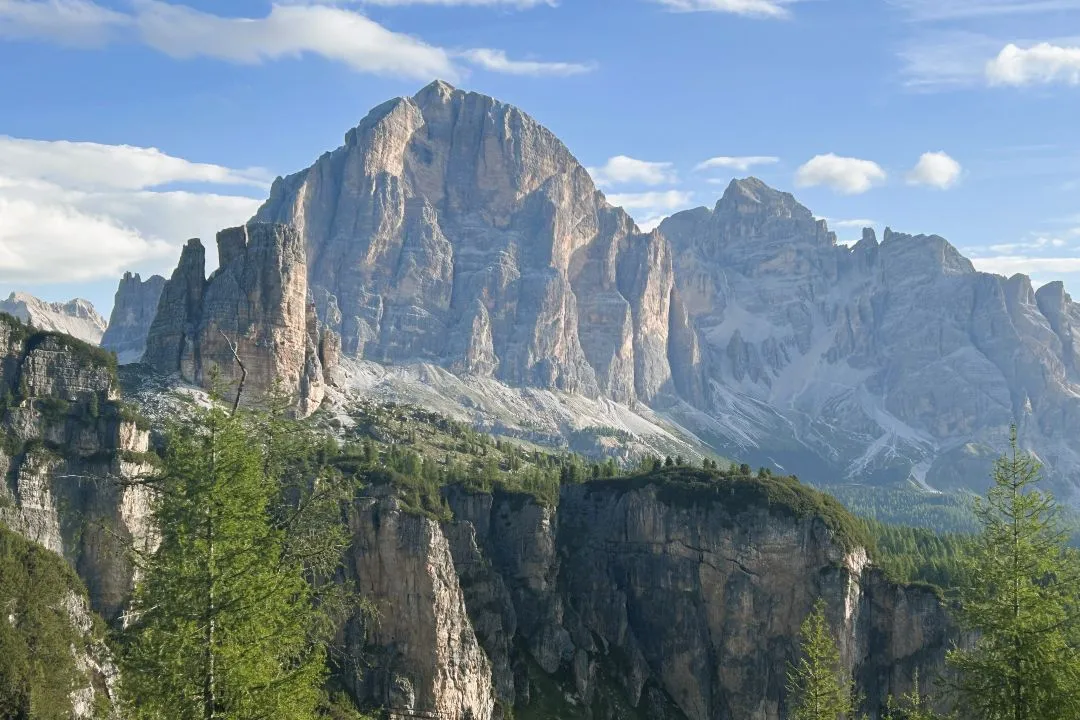
The 11-Day Itinerary: The Proven Sweet Spot for First-Timers
If you’re an intermediate hiker tackling your first Dolomites hut-to-hut, book an 11 Day tour (9 hiking days). Alta Via 1 is the best-known of the Dolomites’ five major high-route trails, and for most first-timers, it’s the one that offers the clearest trail markings and most reliable hut spacing.
The official Alta Via 1 route gets cited at 110 to 125 km, but your GPS will track differently once you add path variants, side trips, and hut access trails. In the Dolomites, distance is secondary to cumulative elevation change. A 9-day hiking itinerary shapes your daily moving time into a sustainable 4 to 7 hours per stage, keeping steep vertical swings manageable across consecutive days.
What 9 Days Feels Like on Trail
This pacing sets up a rhythm that actually works. You set out in the crisp morning air, clear high passes before the clouds build, and reach your rifugio by mid-afternoon. That leaves time to grab a hot shower, a cold beer on the terrace, and watch the evening enrosadira turn the limestone walls pink.
This timetable suits active walkers who want to actually enjoy rifugio hospitality rather than just survive it. You won’t have unlimited time for summit detours, but you gain a pace you can sustain.
The Shape of a 9-Day Traverse
Walking north to south, a classic 9-day traverse breaks into distinct chapters:
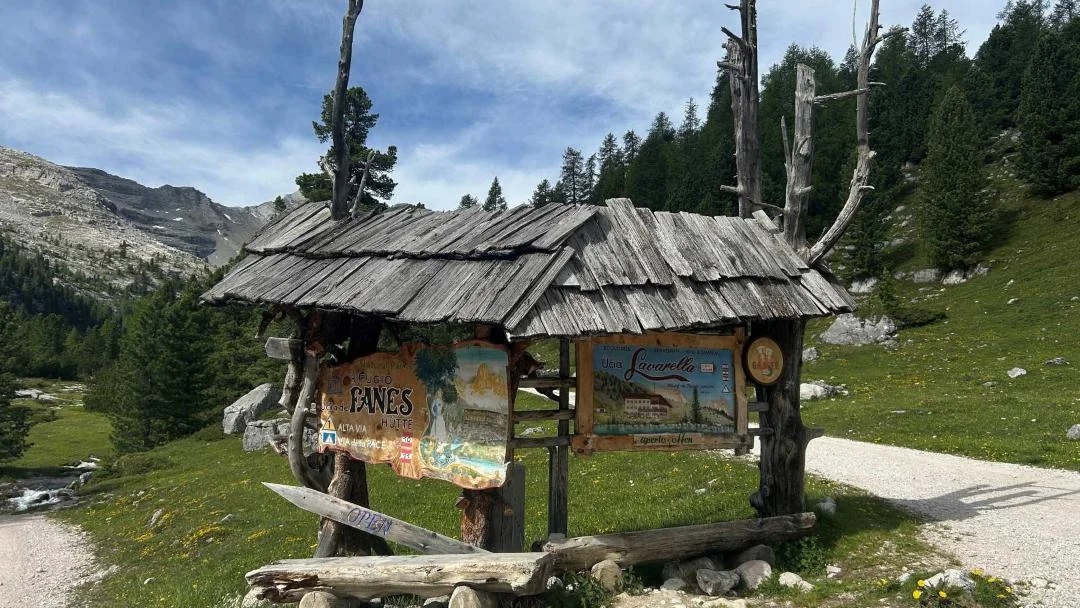
- Stages 1 to 3: Lago di Braies across the lunar Fanes plateau, climbing to the ridge at Lagazuoi.
- Stages 4 to 6: Passing the rock towers of Cinque Torri, crossing Passo Giau, and traversing beneath the western wall of Monte Civetta and up to Coldai.
- Stages 7 to 9: The quieter, wilder terrain of the Moiazza and Pramperet groups before the final descent to La Pissa.
Exact hut selections shift by season, but this structure avoids awkward spacing and forced 9-hour mega-days. Eight nights on trail means more individual hut bookings to juggle upfront, but it delivers balanced stages. If you’re tackling AV1 solo, 9 days is a nice pace to stay conservative.
If juggling eight individual rifugio reservations across separate booking systems isn’t how you want to spend your evenings, our self-guided Alta Via 1 itineraries lock in every hut in advance and hand you daily route notes, so all that’s left to do is walk.

The 12-Day Itinerary: The Comfort-Forward Quality Upgrade
Opting for 10 hiking days isn’t about being slow. It’s a deliberate upgrade to your mountain experience. You still hike the entire classic Alta Via 1 from Lago di Braies to Belluno, just without turning these UNESCO World Heritage peaks into a daily grind.
What You Gain on the Trail
A 10-day pace turns your daily routine into something genuinely restorative. Shorter stages mean early afternoon arrivals at each rifugio, so you’re never sprinting across an exposed pass to make the 6:00 PM check-in.
This relaxed pacing creates room for the extras that hurried hikers skip:
- Detouring through the Lagazuoi Galleria, the WWI tunnel system carved into the mountain
- Scrambling up short side trails to panoramic viewpoints
- Lingering over fresh canederli and warm strudel on sunny terraces
- Stopping for photos when the afternoon light hits the spires just right
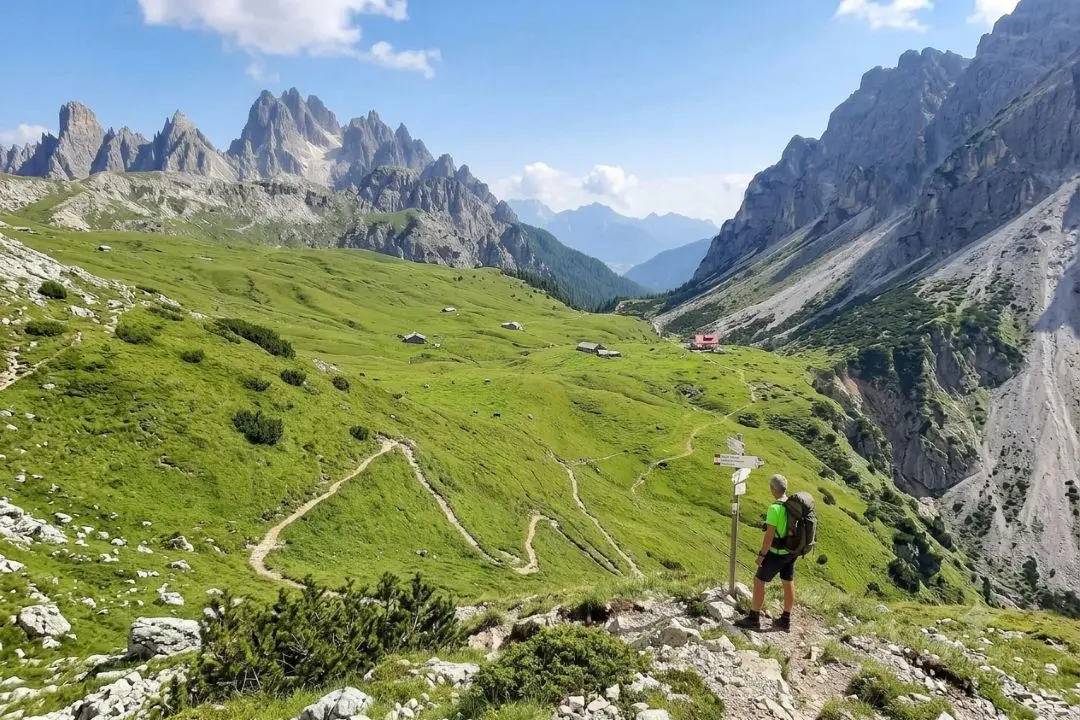
Who It Is For
This itinerary suits intermediate hikers who want to finish feeling proud and energized! It’s also the smarter option if you’ve got limited alpine experience and want a real safety margin. If storms roll in or scree descents slow you down, you’ve still got plenty of time to reach your hut.
The 10-Day Itinerary: The Route for More Experienced Hikers
Choose an 8-day itinerary only if you’re consistently comfortable with long, demanding mountain days back-to-back. It’s a practical option for fit hikers who want an athletic challenge without turning the trek into an endurance race.

The Reality of an 8-Day Pace
On paper, trimming one day sounds minor. In practice, your average day shifts from moderate to substantial once you factor in sustained elevation gain, steep scree descents, and rest breaks. You’ll have far less time for lingering two-hour lunches or extended photo stops.
An 8-day pace fits hikers who:
- Already log 6 to 8 hours of strenuous mountain walking and bounce back overnight.
- Get boots on the trail early and hold a steady pace.
- Feel confident navigating rugged terrain if fatigue sets in late in the day.
Schedule Fragility and Booking Constraints
The main failure point on an 8-day itinerary isn’t fitness. It’s schedule fragility. Compress your stages and your margin for error shrinks fast.
A sudden thunderstorm rolling in after lunch, a stubborn blister, or a knee flare-up can derail your timetable instantly. Because your daily distances stretch longer, missing one rifugio booking can trigger a messy (often impossible) reshuffle or force an early exit down to the valley.
Booking gets stricter too. You have fewer huts to reserve, but you’re locked into fixed spacing. If your target mid-way rifugio is full, the next available bed might turn a 6-hour walk into an unplanned 9-hour slog.
Pro Tip: Aim to carry a lightweight pack under 9 kg that won’t punish your knees on the descents.


A 9-Day (or Less) Itinerary: The Athletic Fast Traverse
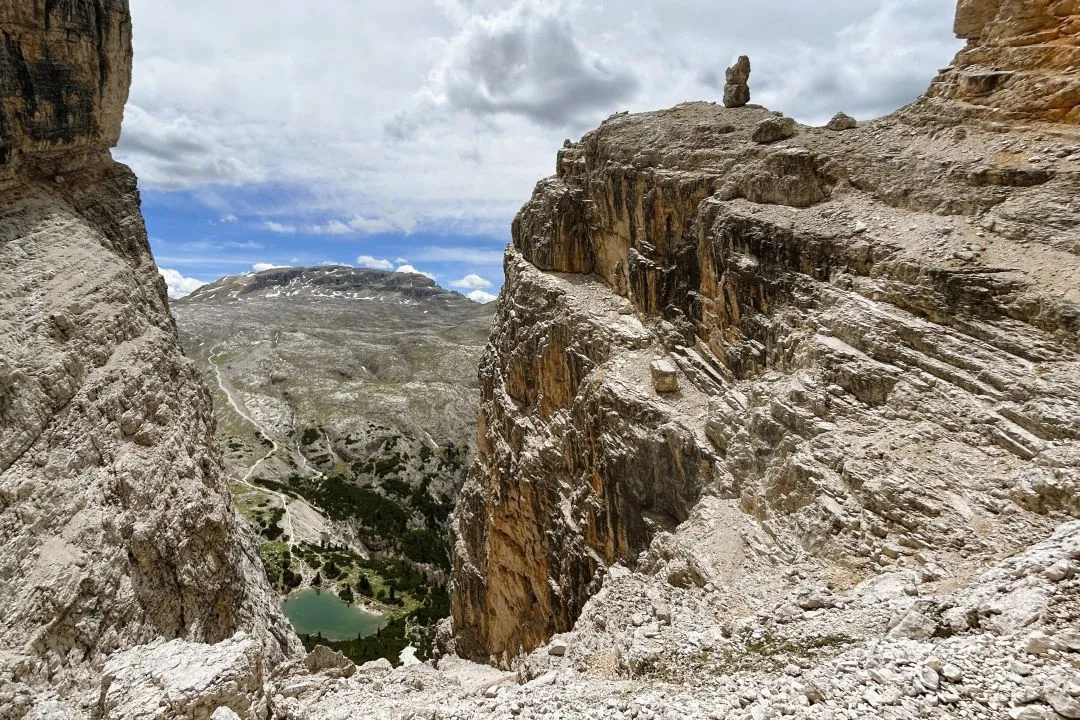
Can you complete the entire Alta Via 1 in 7 hiking days or less? Yes. Should you? For most hikers, no.
A 7-day hiking schedule appeals to anyone short on vacation time, but treating it like a standard hiking holiday is a mistake. Seven days or fewer is a fast traverse for exceptionally fit hikers, not the sweet spot for first-timers wanting to soak in rifugio culture.
What a 7-Day Pace Actually Demands
This timeframe turns the trail into an athletic project. To pull it off safely, you need:
- Decisive pacing: 7 to 9 hours of continuous mountain movement most days with minimal lingering.
- A minimalist setup: A nice light pack. Extra weight batters your knees fast on steep descents.
- Proven mountain fitness: Comfort with back-to-back days covering 1,000 meters of elevation gain.
Compressing the itinerary forces compromises. If key huts are booked, you’ll face awkward, punishing stage pairings. Plenty of 7-day trekkers end up skipping the quieter southern stages around Pramperet, taking bus bypasses, or exiting early at Passo Duran.
The Real Safety Risk: Fatigue on Descents
A shorter timeline looks manageable on paper, but Dolomites trails are steep, rugged, and unforgiving. The real risk is cumulative downhill fatigue. Rushing down loose scree on tired legs raises your odds of a rolled ankle, joint strain, or a fall. A tight schedule also leaves zero room to wait out a storm at a high pass.
Practical Tips If You Commit to 7 Days
If you’ve got the mountain experience and treat AV1 as an athletic challenge, stick to these guardrails:
- Start at dawn: Leave by 7:00 AM to bank daylight and beat the storms.
- Download offline maps: GPS navigation saves you from costly wrong turns where trail markers split.
- Map your bailout points: Know your valley exits at Cortina, Passo Staulanza, and Agordo before you set off.
The 6-Day Highlights Itinerary: The Northern Classics Route
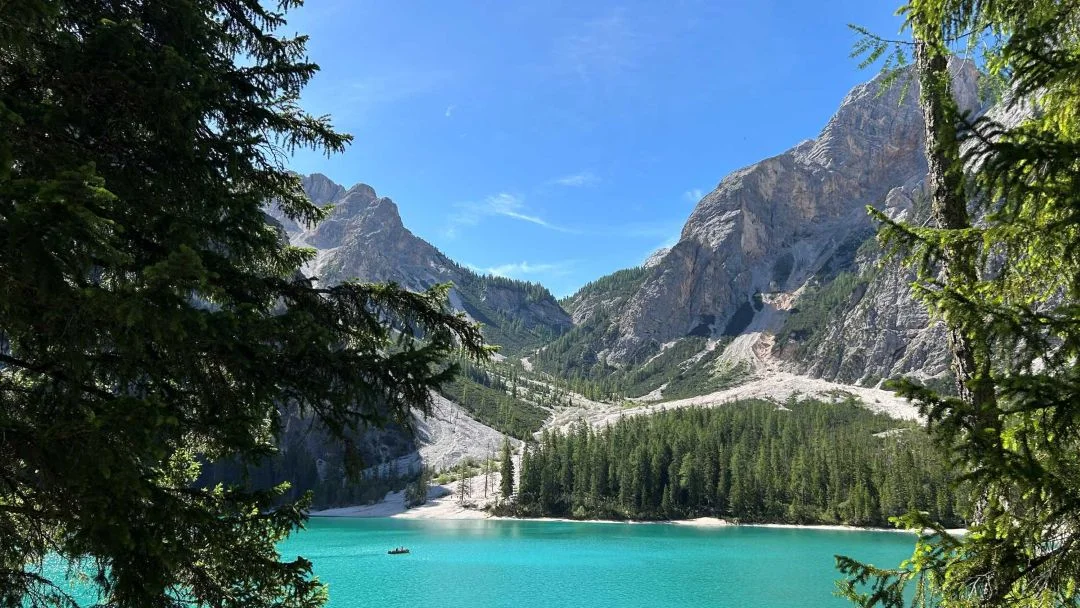
If you’re searching for an Alta Via 1 itinerary of 4 hiking days, this northern highlights route is exactly what you want. Four days is plenty to hit AV1’s best-known stretch.
This isn’t an attempt to rush the entire 120-kilometer trek north to south. It’s a curated route that maximizes scenery density, packing the trail’s most famous landmarks into a single working week: the turquoise waters of Lago di Braies, across the Fanes plateau, up to the ridge of Lagazuoi, past the Cinque Torri Open Air Museum, and finishing at Passo Giau.
Turnkey 4-Day Stage Breakdown
- Day 1: Lago di Braies to the Fanes-Sennes-Braies plateau. Tackle the demanding 800-meter climb beneath the wall of Croda del Becco, then emerge onto the karst plateau, one of the largest high-altitude nature reserves in the Dolomites.
- Day 2: Across the Fanes plateau. A steady day through rolling alpine pastures and limestone basins, with traditional Ladin food and hospitality waiting at your rifugio come evening.
- Day 3: Over Forcella del Lago to the Lagazuoi ridge. Cross the Plan de Furcia, tackle the switchbacks up to Forcella del Lago, and climb to Lagazuoi at 2,752 meters, home to the Lagazuoi Galleria (its WWI tunnel system) and some of the widest terrace views on the whole route.
- Day 4: Descend from Lagazuoi to Passo Falzarego and head straight into the Cinque Torri Open Air Museum, among the rock towers. Start early to beat the day-trip crowds here. From there, climb past Averau and Nuvolau before dropping along alpine trails beneath the peak of Ra Gusela to the open pastures of Passo Giau, your exit point.
Northern huts book out first: Lagazuoi and Nuvolau are among the most famous rifugi in the Alps, and they fill up fast.
Route Logistics
Reaching the northern trailhead is simple. Summer public shuttle buses run directly to Lago di Braies from Dobbiaco or Villabassa, and the Dolomitibus summer timetable covers this route along with most other trailhead connections in the region. Exiting at Passo Giau on Day 4 is just as easy: catch a local Dolomiti Bus or grab a taxi down to Cortina d’Ampezzo. For a full breakdown of getting around the whole trail without a rental car, our car-free logistics guide covers timetables, taxi contacts, and luggage transfer options end to end.
Who This Plan Is For
This route is built for time-constrained, fit intermediate hikers who want prime enrosadira sunsets, historic mountain passes, and classic rifugio culture without committing two weeks to the mountains.
The 5-Day Sampler: The Short-Trip Introduction to Hut Life
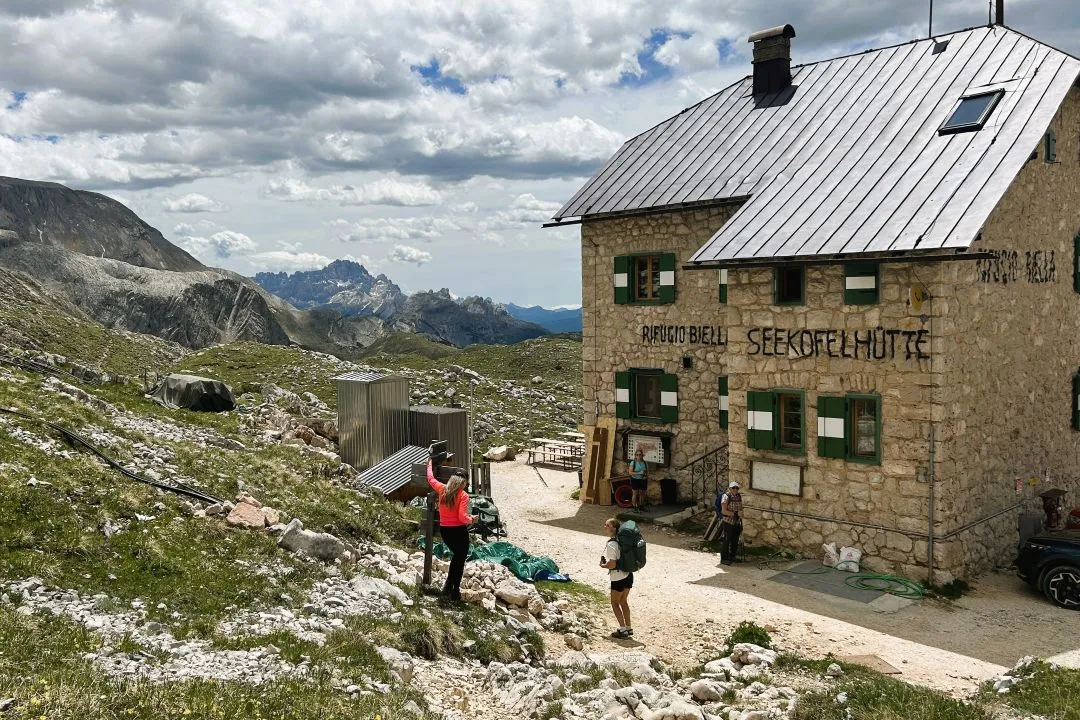
Three hiking days works brilliantly if your goal is authentic hut-to-hut life and a taste of the classic AV1 vibe, without committing to the full north-to-south crossing.
What a 3-Day Hut-to-Hut Hike Delivers
A three-day trek is the perfect test run for first-time multi-day hikers. It fits neatly into a shorter trip and pairs easily with a valley base in Cortina d’Ampezzo or Dobbiaco. If you want the fully mapped-out version of this pace, our Alta Via 1 North: Highlights Trek breaks down each stage in detail.
Focusing on the northern and central stages delivers the highest density of iconic sights and reliable infrastructure:
- Lago di Braies and Croda del Becco
- The karst pastures of Fanes-Sennes-Braies
- Over Forcella del Lago, past Lago Lagazuoi and up to the clifftop of Lagazuoi
- For fast hikers, the Cinque Torri Open Air Museum can be visited on this itinerary (with some cable car assistance)
What You Will Miss
This slice showcases legendary highlights, but you skip the changing character of the southern sections. The wilder solitude near Monte Civetta, Moiazza, and Pramperet offers a quieter, rugged contrast to the northern parks. You may also miss the satisfaction of completing a continuous, end-to-end crossing.
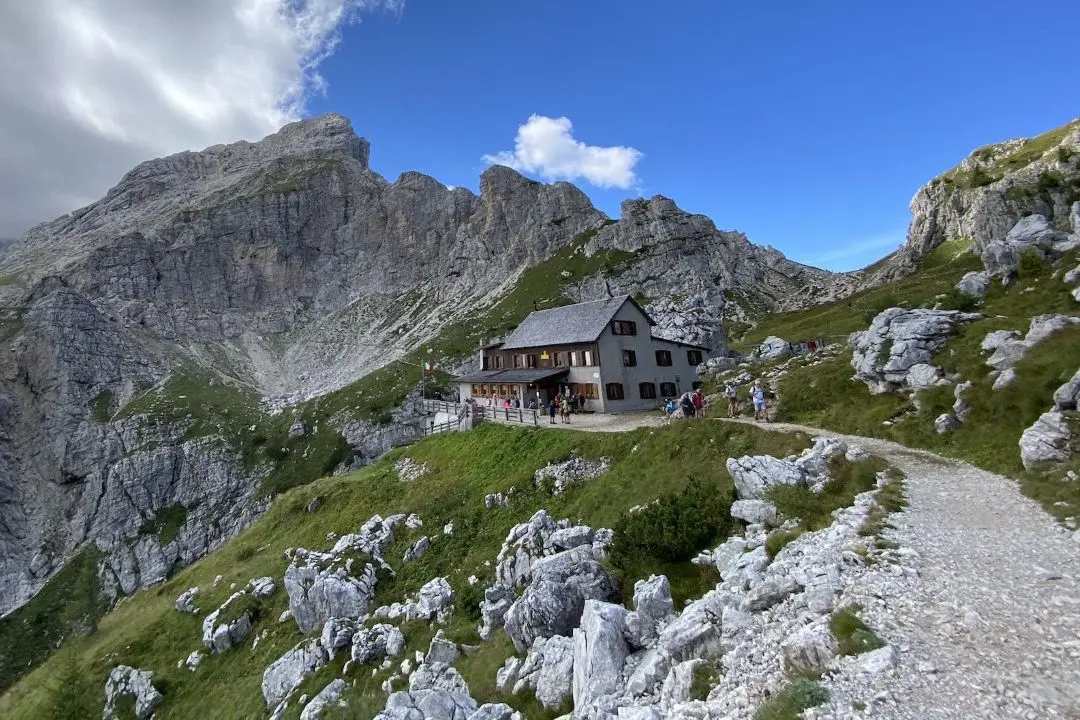
Hut Booking Realities
A shorter itinerary doesn’t mean easier booking. These northern rifugi are among the most popular in the Alps.
Think of this five-day itinerary as a mountain appetizer. If you love the rhythm of the trail, you can always come back for the full traverse or other longer options.
How to Choose Your Exact Alta Via 1 Itinerary: A Step-by-Step Decision Framework
Use this framework to translate your fitness, schedule, and hiking style into one definitive day
count.
Step 1: Calculate Your Total Travel Window
Total Trip Days = Hiking Days + 2 Travel Days (a day either side of the hike allows for logistical delays in the mountains). Without this buffer, you risk your entire trip.
Step 2: Budget by Elevation, Not Distance
Dolomites terrain makes flat mileage calculations misleading. A short 10-kilometer stage with 900 meters of vertical ascent and steep descents over loose limestone scree demands 5 to 6 hours of moving time.
A general rule of thumb for standard hikes here is 300m of elevation gain per hour. For a casual hiker with average fitness, allow between 1 and 1.5 hours. If the terrain is particularly demanding or steep, this time increases.
Officially the trail runs 110–125 km, but your GPS will likely read higher. High-level variants like Lagazuoi or Nuvolau add kilometres, as do hut access spurs and additional excursions from the huts. Plan around elevation and moving hours, not the kilometer count.
Step 3: Calibrate for the Four Major Pace Drivers
Adjust your baseline against these four practical variables:
- Fitness and Recovery: For most, multi-day fatigue begins to compound by day 4.
- Pack Weight: Keep base weight between 8-12 kg. Heavy loads slow steep descents on loose rock like Forcella del Lago. Not sure what to bring? Our hiker packing list covers everything from layers to footwear.
- Weather Strategy: Summer storms typically build by 2-3 PM. Alto Adige’s official mountain weather service publishes daily alpine forecasts and is worth checking the night before. A more relaxed itinerary lets you clear exposed passes before noon.
- Experience Style: Add a day if you want two-hour terrace lunches, tunnel detours, or summit excursions.
Step 4: Booking Constraints
There’s no central booking platform. High-demand huts fill up as much as a year ahead. You may have no choice but to adjust your stage lengths to match availability. You will need to consider the time it takes to communicate with the individual huts, non-refundable deposits, and sequencing them all just to get your preferred Alta Via 1 hike locked in. Our full rifugio guide walks through booking the steps, room types, and costs hut by hut.
Step 5: Safety Essentials
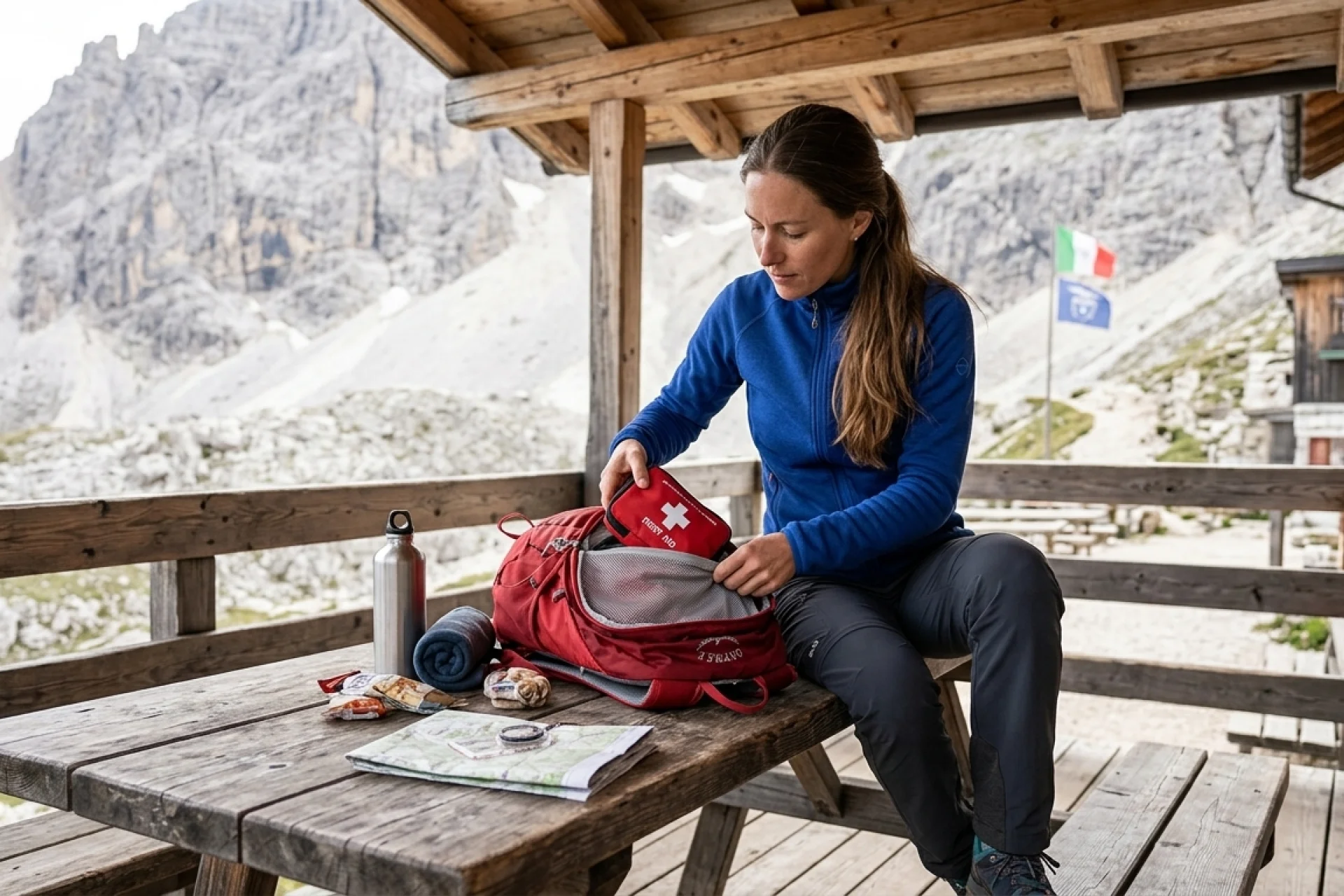
- Download offline maps before you set off; signal drops fast on the high passes.
- Carry 1.5–2L water minimum and purification tablets/filters, since you can’t count on free water at every hut.
- Call 112 for mountain rescue anywhere in Italy.
- Hiking solo? Aim to reach your hut by 3 PM.


The Final Decision
Still unsure? Choose 9 hiking days. It has the highest success rate for intermediate first-timers while balancing physical challenge, weather safety, and authentic rifugio culture.
How to Finalize Your Alta Via 1 Duration and Next Steps
When settling on your ideal Alta Via 1 duration, keep the baseline simple: 9 hiking days is the default sweet spot for intermediate trekkers. Choose less if you hold a strong, consistent pace on steep climbs. Choose more days if you want leisurely side trips and real weather resilience.
Always calculate your total travel time by adding arrival and departure days.
Coordinating independent rifugio bookings and transit logistics can eat up a surprising amount of planning time. It’s one of the most common things hikers underestimate when planning a trip to the Dolomites. If you’re still working out how Alta Via 1 fits alongside the Dolomites’ other routes, then check out our other tours.
If you’d rather have that handled for you, our self-guided Alta Via 1 packages take care of hut bookings, route notes, and luggage transfers, so whatever number you land on, pick the schedule that keeps you safe, comfortable, and present enough to actually soak in the mountain views instead of just surviving them.
Pro Tip: Still weighing up 10 days versus 12 or the shortened Northern Highlights option? Get in touch, and we can help you decide.

View Posts By Topic
FAQ
Yes. Plenty of hikers complete it solo every summer thanks to clear signage and frequent mountain huts. Keep conservative daily pacing, arrive before 3:00 PM, and download offline maps. Communal dinners at the rifugi also make it easy to meet other hikers most evenings.
Not on our itineraries.
Our route: We follow the standard mountain paths, graded E and EE under the CAI difficulty scale, that demand surefootedness on loose scree, not climbing equipment. None of our Alta Via 1 tours require via ferrata gear.
Yes, for a highlights route, but definitely not for the full north-to-south traverse.
- The Northern Highlights route: Hike from Lago di Braies to Lagazuoi or Passo Giau to capture the most dramatic scenery without overextending yourself.
- Best return on effort: This section delivers maximum visual impact, including the Fanes plateau, the Lagazuoi Galleria, and the Cinque Torri Open Air Museum, all within 3-4 days of hiking.
- Full traverse reality: Completing all 120 kilometers in five days requires fastpacking-level fitness.