Getting from “I want to hike the Dolomites” to an actual confirmed itinerary is where most planning stalls. These five steps will move you through it.
Step 1: Match Your Tour Style to Your Goals
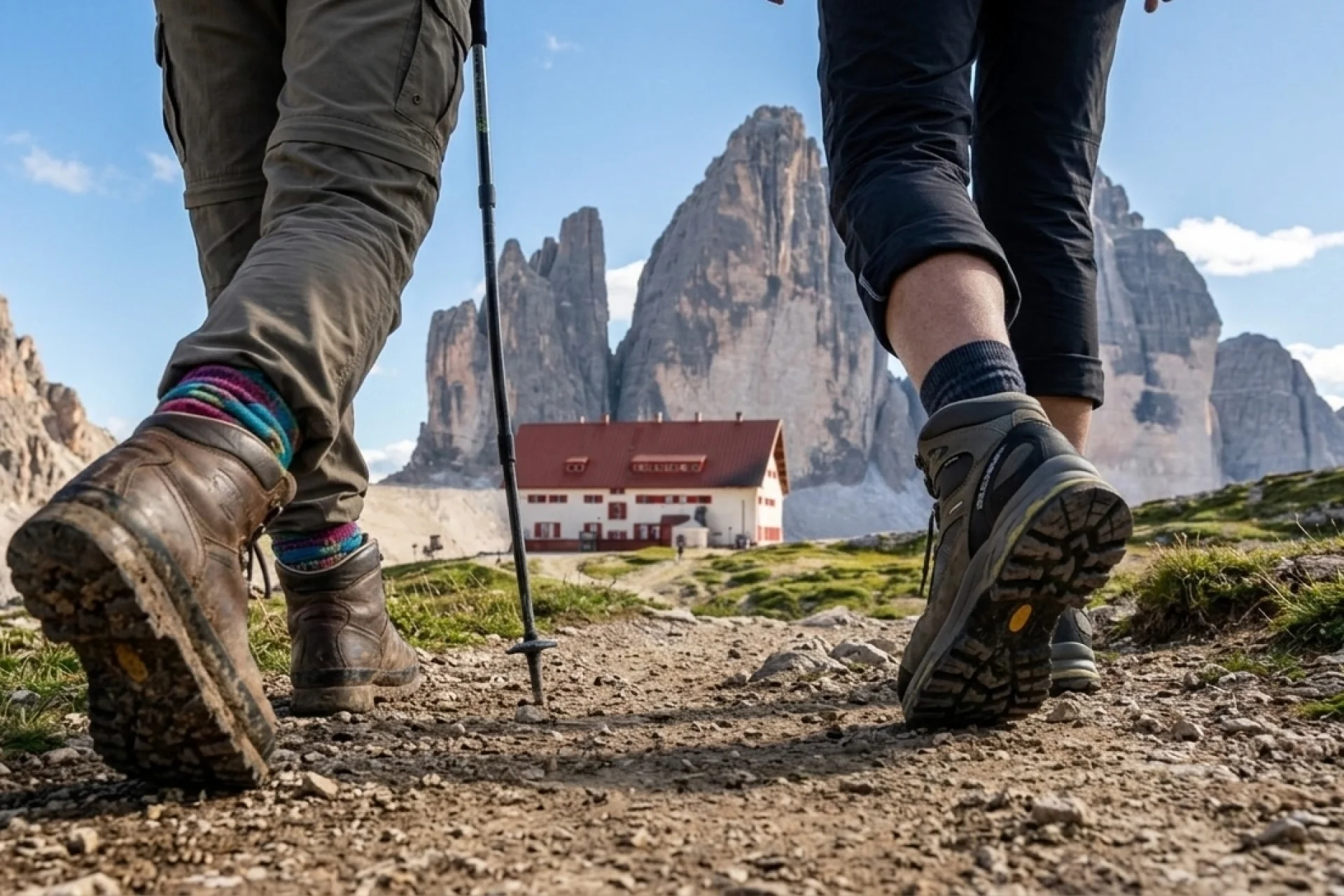
Decide between the commitment of a traverse and the flexibility of a hub before you research anything else. A hut-to-hut traverse – where you move from rifugio to rifugio over multiple days – is the right choice if you want total mountain immersion and a clear sense of journey. It requires carrying a multi-day pack and adhering to a daily schedule regardless of how you feel in the morning.
A basecamp hotel gives you the flexibility to adjust each day based on weather, fatigue, or mood. You trade immersion for adaptability.
On the guided vs. self-guided question: self-guided costs substantially less and lets you set your own pace. Guided gives you a certified mountain guide, built-in social camaraderie, and someone else handling all navigation and logistics. Neither is objectively better – it depends entirely on your experience level and what you want from the week.
If you’re new to hiking in the Dolomites, understanding the different mountain ranges, trail systems, and what makes this region unique will help you make better planning decisions.
We offer hut-to-hut hiking tours as both guided group tours with certified Italian mountain guides and self-guided packages where you hike independently, and we handle rifugio bookings, GPS tracks, and logistics coordination.
OUR HIKING Tours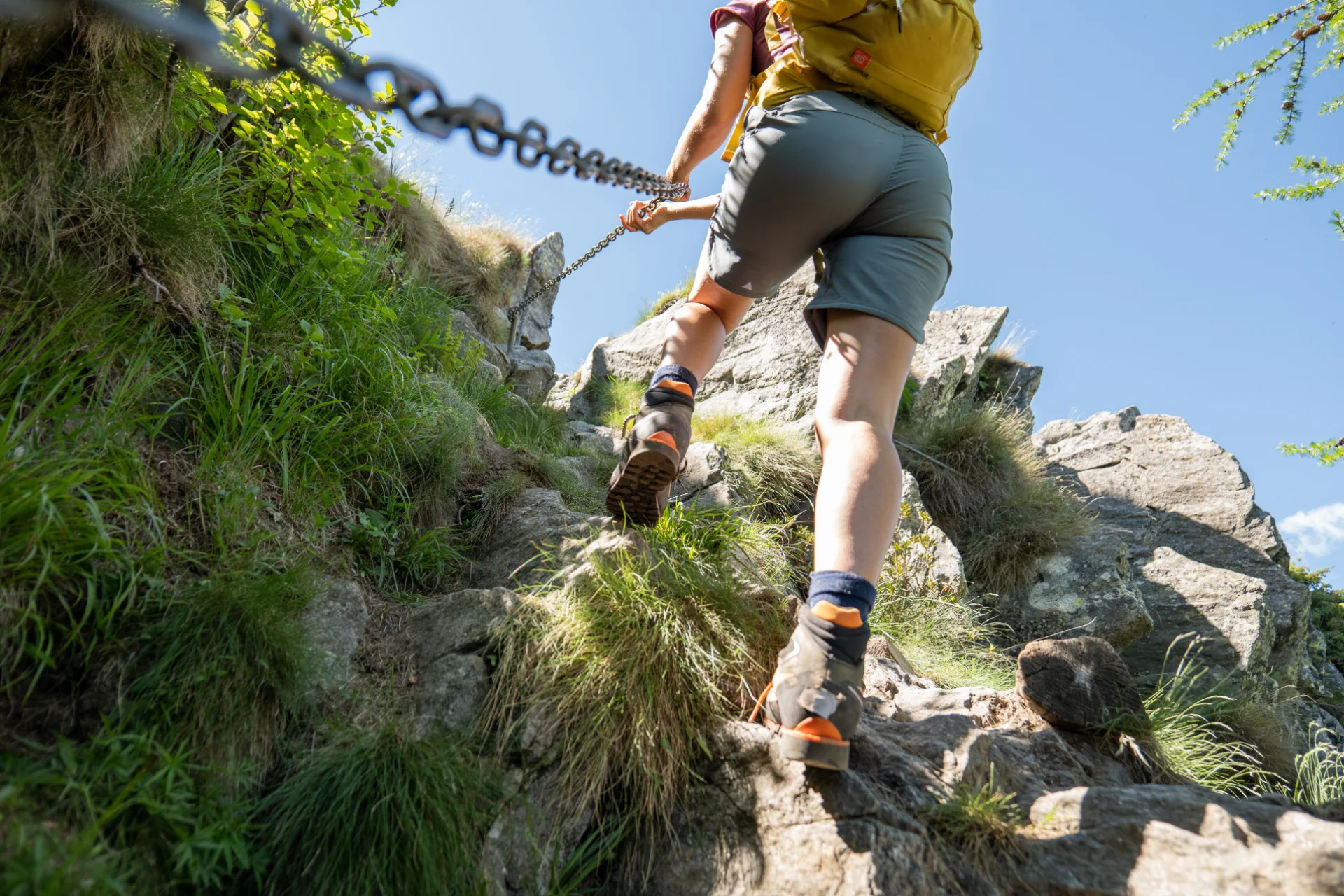
Step 2: Set Honest Fitness Thresholds
The Dolomites trails are defined by sustained vertical gain rather than horizontal distance. A “moderate” day often means five to seven hours of movement with 600-900 meters of ascent. When you’re honestly assessing your fitness, focus on how you handle uneven rock, steep descents, and occasional exposure – not just how far you can walk on flat ground.
Wet limestone slabs, thick fog, and afternoon thunderstorms turn standard trails into genuinely dangerous environments for hikers without alpine experience. If you can walk four hours with a 10-12kg pack and still feel functional, you’re ready for most intermediate circuits. Check out our essential packing list article to work out what you’ll actually be carrying.
If you’re approaching multi-day hiking for the first time, start with trails graded T (Tourist) or E (Escursionismo) and build up gradually rather than jumping straight into exposed EE routes.
Step 3: Build Your Navigation Stack Before You Arrive
Cell service is unreliable in deep valleys and inconsistent on high passes. Don’t plan around it being available.
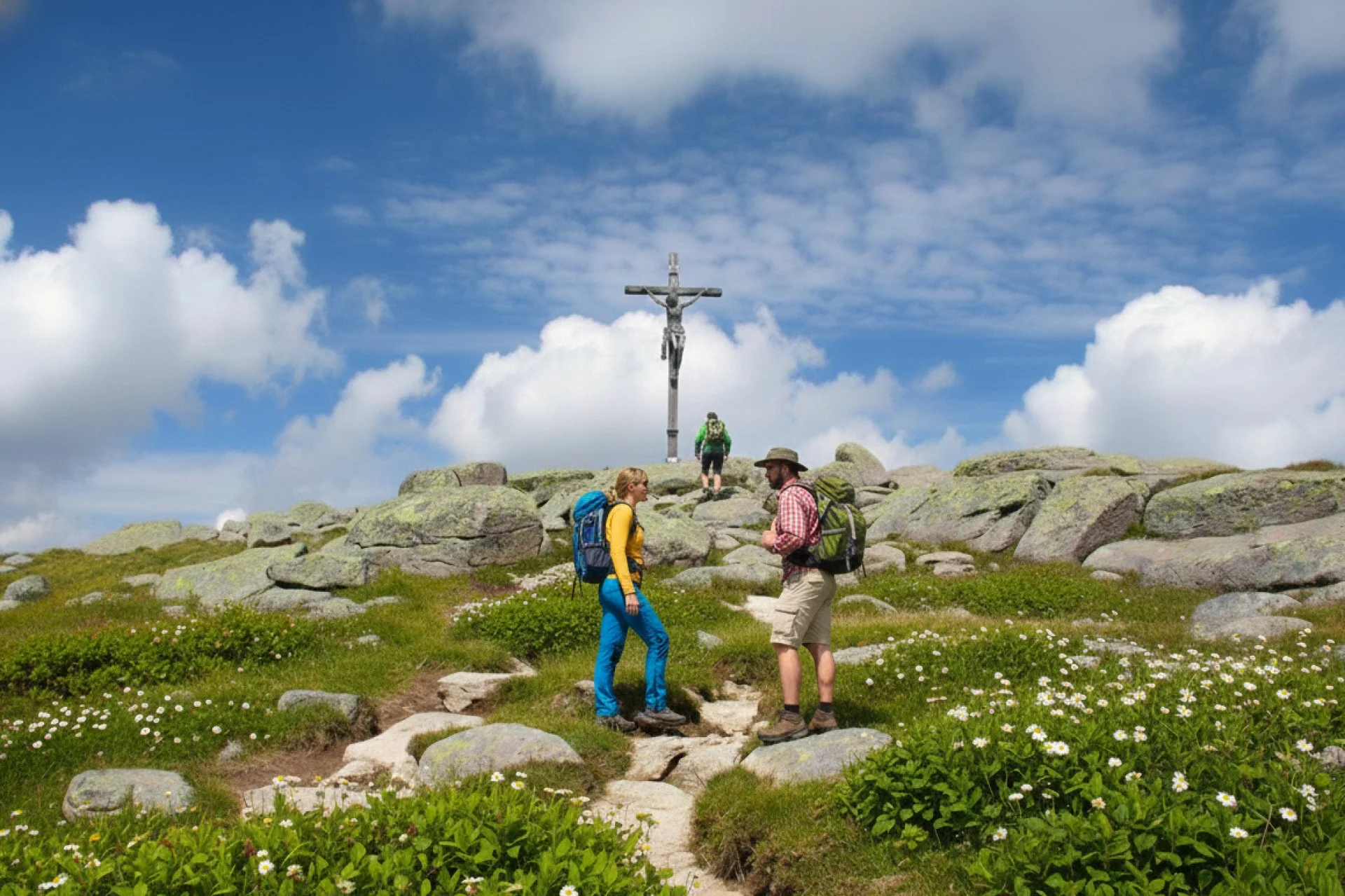
On the ground: follow the red and white paint blazes and numbered CAI signposts. These appear in Italian, German, and Ladin. For self-guided trips, use what I call a proper navigation stack: a physical Tabacco map at 1:25,000 scale and offline GPS tracks downloaded to your phone before you leave the valley. Cold temperatures drain phone batteries fast at altitude – carry a power bank and keep your phone in an inner pocket.
The Italian Alpine Club (CAI) grading system also gives you an honest benchmark for route difficulty: T (Tourist, easy paths), E (Escursionismo, standard hiking trails), EE (Esperti, exposed trails requiring mountain experience), EEA (Attrezzato, via ferrata with technical gear required).
Check the CAI classification for any route you’re not certain about.
Our self-guided hiking packages include pre-loaded offline GPS tracks and detailed route notes, so you don’t need to become a navigation expert before your first Dolomites trip.
OUR HIKING ToursStep 4: Solve Logistics Before You Book Flights
Know Which Season You’re Actually Booking Into
Most rifügi open between mid-June and late September. Within that window, three patterns shape what kind of trip you’ll have.
July and August are peak season in every sense – best conditions, fullest trails, and the booking windows that require six to eight months of lead time on popular routes. Expect dormitory huts at or near capacity most nights.
September is the smarter month for many hikers. Trails are quieter, the light is sharper, and you’ll have a better chance of a private room. The tradeoff is weather volatility – early snowfall at altitude is possible from mid-month, and some high passes become unreliable.
Late June offers genuine shoulder-season value, but verify trail status before departure. Some high passes still carry significant snow into early July in heavier winters. Local APT offices are the most reliable source for current conditions.
Popular rifugi for July and August fill six to eight months in advance. This is not an exaggeration. If a key night is missing from your sequence, the whole multi-day plan collapses – you either lose a stage or add an unplanned road-walking section to reach the next hut.
Book beds before you book flights!
How to Actually Book Rifügi (The Part Most Guides Skip)
Contact each hut individually by email. For each booking, ask explicitly about: bed type (dormitory bunk vs. private double), whether half-board (mezza pensione) is included, dietary accommodation if relevant, and the deposit method.
If you don’t hear back within ten days, follow up or move to your backup. Non-responses are common and usually mean the hut is full – not that they’ve missed your email.
Build a contingency for every critical night. Identify the nearest backup or valley exit for each stage so a single sold-out booking doesn’t unravel your whole itinerary.
Or let us handle it: our self-guided tours coordinate all rifugio bookings, match availability to logical daily stages, and provide offline GPS tracks. You worry about hiking and enjoying the adventure – and get to skip the 40 hours of Italian booking system wrestling!
Transport
Research bus schedules via the Südtirol Mobil app or Trentino Trasporti. Be aware that timetables and routes can change suddenly and also seasonally – so what you’re looking at now will not be the same when you actually need it.
Confirm lift operating dates (they vary by season and don’t always align with your travel window), and verify which trailheads are loop-accessible vs. requiring external transport.
One More Transport Problem Worth Knowing About
The Dolomites sit across South Tyrol and the Veneto – a region that’s functionally bilingual in Italian and German. The same village often carries two completely different names, and bus timetables, train schedules, and road signs may use either, with no consistent rule about which.
Save both versions of every key destination before you leave the valley. Bozen is Bolzano. Ortisei is St. Ulrich. Brixen is Bressanone. Screenshot transport timetables while you still have reliable connectivity, and confirm the exact stop name with your accommodation before you travel.
Our guide to navigating the Dolomites bus and lift network without a car covers how the two provincial systems connect, which bases give you the best access, and the ticketing details worth sorting before you leave home.
Your guide to Dolomites rifugios covers booking windows, room types, costs, and what to expect from mountain hut infrastructure in detail. Read it before you start making reservations. For those planning their first multi-day trek, our comprehensive backpacking guide walks through everything from route selection to daily rhythms on the trail.
“If this section made you tired before you’ve even started hiking, that’s the point where most people book a self-guided package instead. Same trails, same independence, zero logistical headaches.”
OUR HIKING Tours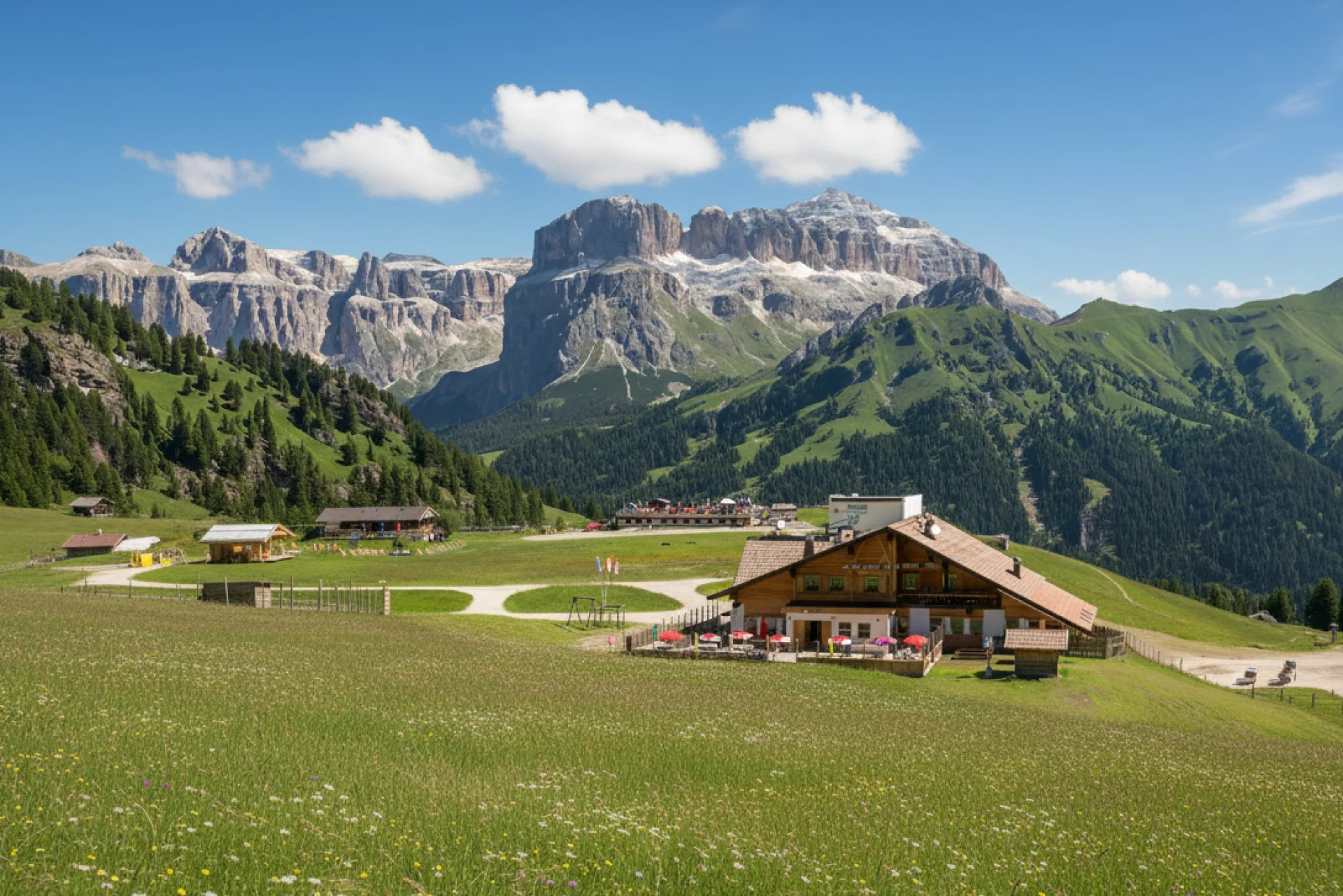
Step 5: Check for Hidden Pain Points on Your Specific Route
Iconic access points have changed significantly in recent years. Lago di Braies and Tre Cime both now require timed parking reservations or shuttle tickets during peak season. Showing up without these is a wasted morning. Check current access requirements for every destination on your list – these policies update annually.
Rifugio standards vary more than most guides acknowledge. Some high-altitude huts are cash-only, have limited or no phone charging, and may even run out of hot water by 7 pm. Others function essentially as mountain hotels with private showers and card payments.
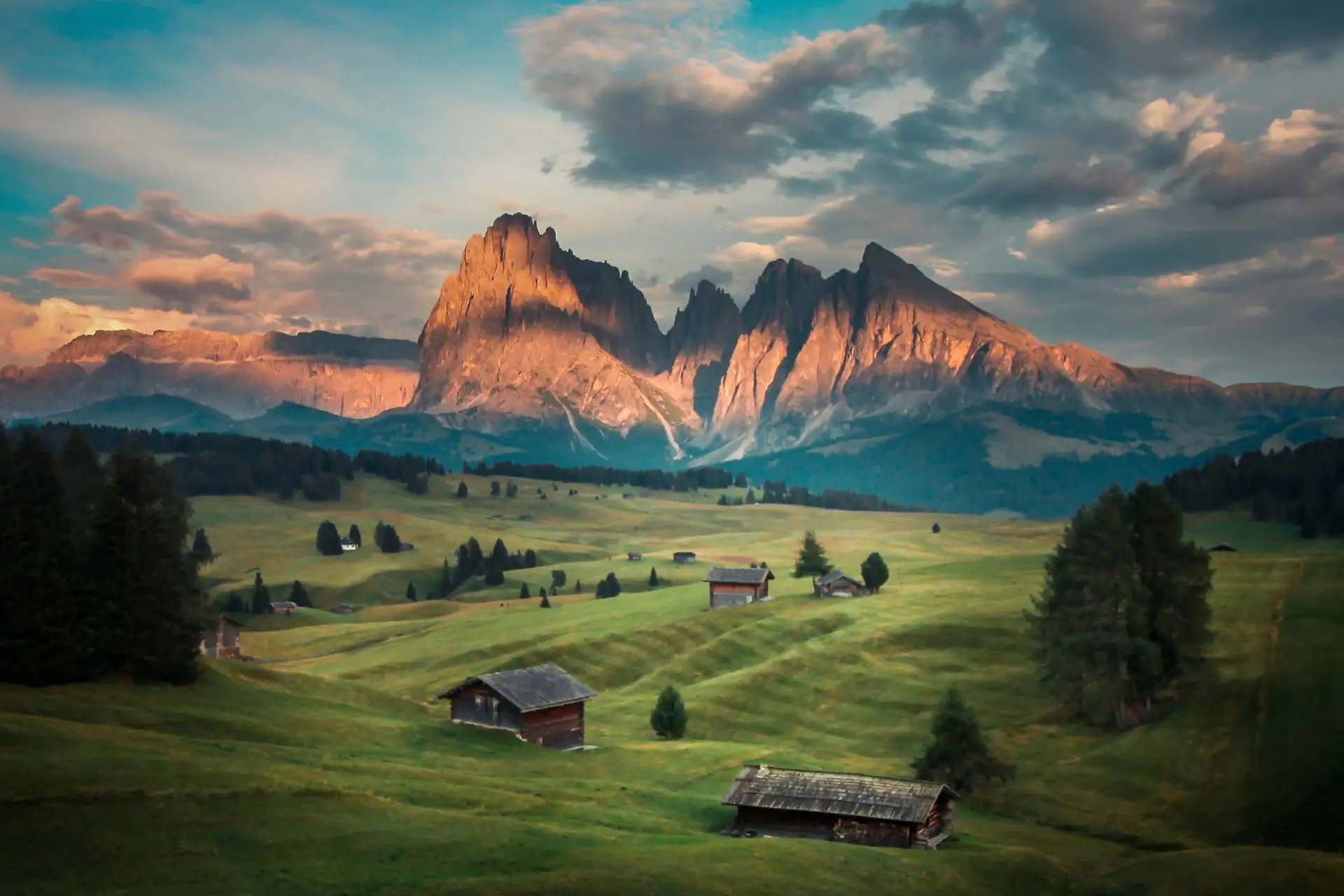
If stamina is a concern, prioritize areas with dense hut networks and multiple escape routes – Val Gardena, Alpe di Siusi, and Val di Fassa are the best options for this.
If you want a structured starting point before building out your own itinerary, the 3-day hut-to-hut template is worth reviewing for a realistic picture of daily pacing and stage structure.
The Quick Decision Guide
Want the classic high-altitude traverse? Book Alta Via 1 – work out how many days to book it for first (or plan just the northern half).
Want maximum flexibility and hotel comfort? Base yourself in Val Gardena or Cortina.
Want a multi-day feel without AV1 booking battles? Look at the Rosengarten/Catinaccio circuit or a Val di Fassa loop.
Only one or two days available? Tre Cime for iconic scenery, Cinque Torri for historical depth.
New to hut-to-hut hiking entirely? A three-day sampler in Val Gardena or Alpe di Siusi is the right move.


Wrap Up
These five steps move you from “I want to hike the Dolomites” to a bookable plan. The work isn’t trivial – rifugio reservations alone can consume an entire week (or three) – but the framework is straightforward.
Match your tour style to what you actually want from the week; be honest about fitness; plan navigation before you arrive; lock in logistics before flights; and verify the current reality of your specific destinations.
The planning effort compounds when you skip steps or tackle them out of order. Done properly, it’s the difference between a confirmed itinerary and another summer of “maybe next year.”